Urgent Unmet Need
Pro-ocular is the only treatment addressing oGvHD, a devastating ocular condition affecting 50% of bone marrow transplant patients. The condition causes pain, corneal deterioration, and in severe cases, blindness.
Our Breakthrough Therapy for Treating ocular Graft-versus-Host Disease (oGvHD) without the hassle of Eye Drops
Pro-ocular™ is specifically made to treat severe pain, dryness, and inflammation in the eyes of patients with oGvHD, a chronic disease that affects more than 50% of people who get an allogeneic stem cell transplant.
Over 50,000 US adults face debilitating pain daily because no approved oGvHD treatment options exist. Pro-ocular™ (if approved) may be the only drug approved by the FDA to treat this chronic orphan disease.
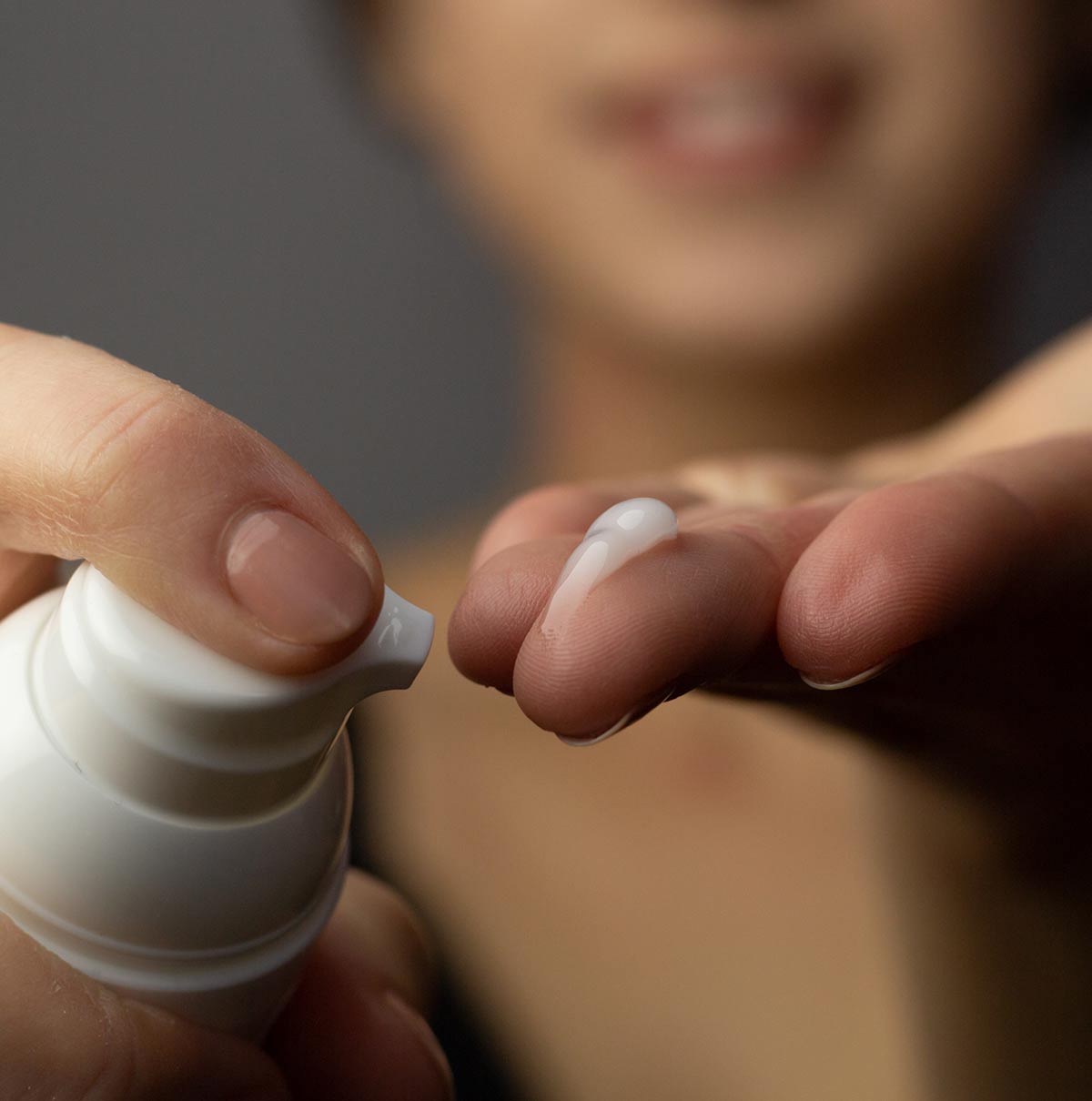
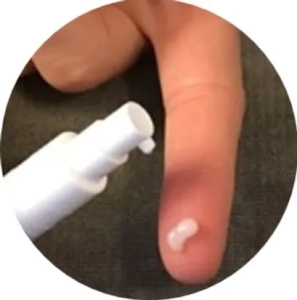
Unlike eye drops or ointments, Pro-ocular™ is applied to the forehead and gently massaged into the skin. This remote application aims to stimulate tear production by signaling along the ophthalmic branch of the trigeminal nerve.
Patents Secured
Countries Convered
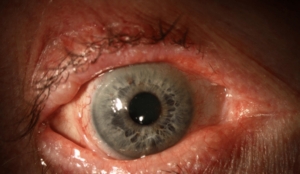
Because oGVHD is so prevalent and can progress insidiously, proactive management of ocular health should be a part of any cancer patient’s treatment plan when undergoing a transplant. Early involvement of ophthalmology and routine monitoring can catch oGVHD in its initial stages. In fact, experts recommend comprehensive eye examinations starting at 3 months post-transplant (no later than 6 months) and at least annually thereafter. This is critical because symptoms of chronic oGVHD (like dry, gritty eyes or mild blurriness) may be subtle at first, and patients might attribute them to generic dryness or chemotherapy side effects. Unfortunately, many transplant patients do not see an eye specialist regularly, so oGVHD is often underdiagnosed – its true incidence is likely underestimated due to limited ophthalmologic follow-up in transplant clinics. For oncologists, this means taking initiative in ocular screening and care: even simple questionnaires (OSDI) or basic dry-eye tests in clinics can help flag issues early.
Just as importantly, preventive and adjunctive therapies should be considered to manage oGVHD before it severely impacts vision. Current management has largely been reactive and symptomatic. Traditional approaches borrowed from severe dry eye disease include aggressive lubrication (frequent preservative-free artificial tears) and controlling tear evaporation with ointments or moisture goggles. To reduce inflammation, clinicians often resort to topical corticosteroid drops earlier in oGVHD than they would for routine dry eye. While steroids can help quell ocular surface inflammation and limit scarring, they come with well-known risks like infection, glaucoma, and cataracts.
In Phase 2 clinical trials, particpants reported rapid relief of ocular discomfort, which was maintained over 2.25 years of use. Across studies in both oGvHD and autoimmune diseases, Pro-ocular™ was well-tolerated, with no drug-related serious adverse events.
The Harvard Medical School Mass Eye & Ear study showed a 38% improvement in both signs (e.g., corneal staining) and symptoms (e.g., dryness, discomfort) of oGvHD, with sustained benefits through 117 weeks, with some patients reversing corneal damage.

Signal12 is a Phase 3-ready ophthalmic drug company. Our proprietary topical drug, Pro-ocular™, has proven safe and effective in Phase 2 clinical studies, demonstrating significant reductions in the signs and symptoms of ocular Graft-versus-Host Disease (oGvHD)—a chronic, debilitating condition following an allogeneic stem cell transplant. Pro-ocular™ is the only effective treatment for oGvHD, employing transappendageal delivery to precisely target the ophthalmic branch of the trigeminal nerve
Signal12 is actively raising capital to complete its Phase 3 clinical trials and bring Pro-ocular™ to market. For information on investment opportunities, please email Neil Edwards at nedwards@signal12inc.com. The company has offices in Greenwich, CT and Boston, MA.
© 2026 Signal 12 Inc. | Email: info@signal12inc.com